
Reading OnlyFans Ranking Cards: A Methodical Approach
OnlyFans lacks any native discovery feed, which makes ranking sites essential infrastructure for subscribers searching for creators. Understanding how to read these ranking cards requires methodical attention to data sources, update frequency, and the gap between displayed metrics and live platform reality. BestOnlyFans operates as one methodology attempting to fill this discovery gap.
This guide examines how evaluation systems structure their claims and what subscribers must verify independently before spending money.
What Ranking Cards Replace on OnlyFans
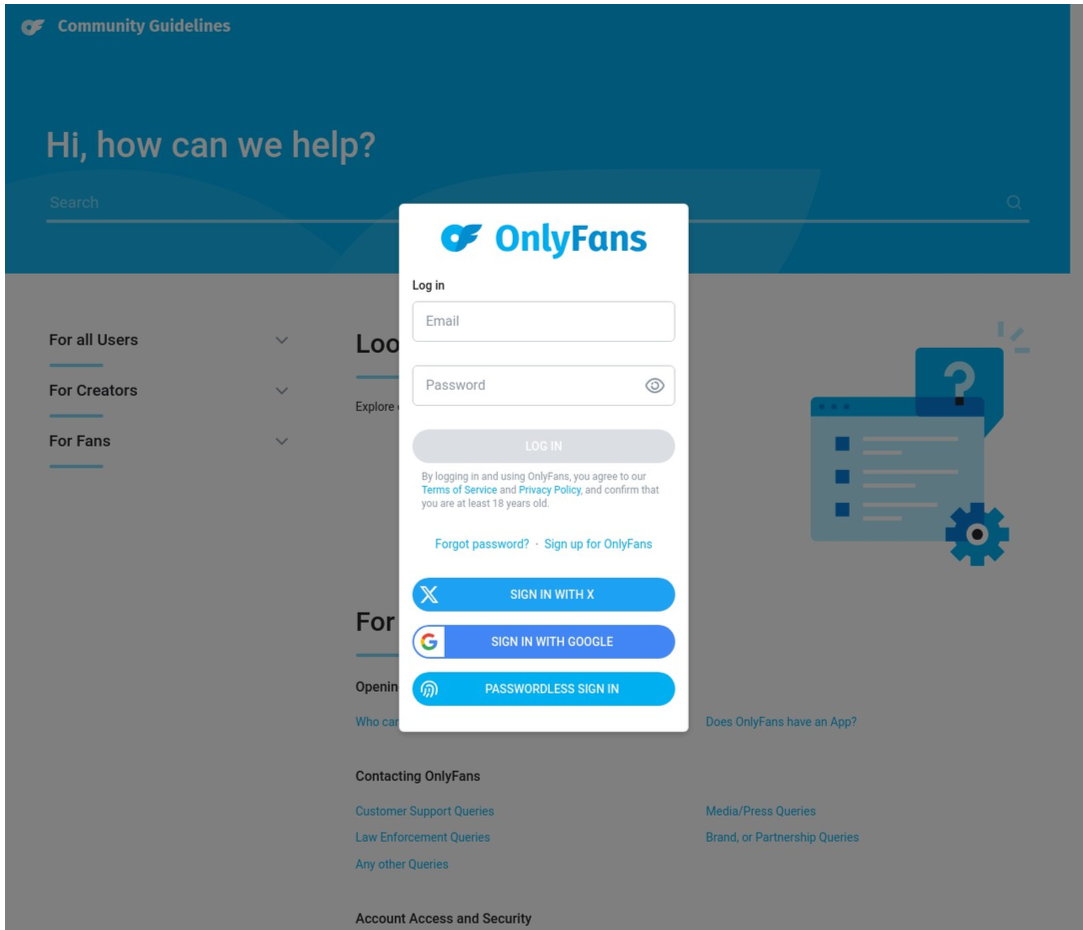
OnlyFans built its platform without browsable directories, trending feeds, or search functions that reveal creator availability. Subscribers must know a creator’s exact handle or find them through external social media links.
Why Third-Party Rankings Emerged
This structural absence created demand for third-party ranking sites. These platforms scrape public data, aggregate user reports, and construct searchable databases that OnlyFans refuses to provide.
The ranking card emerged as the standard information unit—a condensed profile displaying price, content volume, and popularity proxies. Cards function as decision shortcuts that compress manual research into scannable formats.
Standard Metrics That Appear on Every Ranking Card
Ranking cards converge on similar data presentations despite methodological differences. These common elements create familiar patterns subscribers learn to scan quickly.
- Listed price
- Estimated subscribers
- Total posts
- Engagement rate claims
- Content tags
- Last-updated timestamp
| Metric Name | What It Claims | Trust Level |
|---|---|---|
| Subscriber Estimates | Approximate follower count | Low |
| Listed Price | Current subscription cost | Medium with verification |
| Post Count | Total published content items | High |
| Engagement Rate | Interactive audience percentage | Unverifiable |
| Content Tags | Categorical descriptors | Subjective |
| Update Date | Last data refresh | High if recent |
The listed price typically reflects the base subscription rate, though promotional periods complicate this display. Estimated subscriber counts present the most problematic metric—derived from engagement patterns rather than platform API access.
Post counts offer reliable verification since they represent countable data. Engagement rates resist independent confirmation through undisclosed formulas combining likes, comments, and tips.
How BestOnlyFans Structures Its Evaluation System
BestOnlyFans publishes methodology summaries claiming systematic evaluation across multiple data layers. Their approach combines automated collection with qualitative inputs through three claimed methodology layers.
Three Methodology Layers
- Data aggregation involves monitoring public profile elements: pricing changes, post frequencies, and content type indicators.
- Activity scoring applies algorithmic weighting to produce composite rankings that shift based on recent behavior.
- The satisfaction sampling relies on voluntary subscriber reports through post-subscription surveys. This layer introduces methodological uncertainty, as self-selected respondents may not represent typical experiences.
Price discrepancies between ranking cards and live pages represent the most common subscriber complaint. These mismatches stem from multiple factors operating on different timescales.
Why Pricing on Ranking Cards Differs From Reality
- Promotional expiration
- Creator price changes
- Display lag
- Regional currency conversion
- Bundled offer timing
Promotional rates below $4.99 expire without automatic ranking updates. A creator advertising $3 for month one returns to standard pricing while ranking sites display the old figure. The platform enforces strict rules: paid subscriptions must fall between $4.99 minimum and $49.99 maximum, with typical creators clustering between $5 and $10. First-month promotions may drop below $4.99 temporarily, but base prices never may.
When creators raise their prices, automatic renewal stops immediately. Existing subscribers retain access until their paid period ends, then must actively resubscribe at the new rate. Ranking cards rarely capture this transition state, showing either the old price or no price at all during the grace period.
Platform-wide, paid subscriptions range from $4.99 to $49.99, with most clustering between $5 and $10. When creators modify rates, scrapers may not capture changes for hours or days. Display lag compounds this through cached data persisting across networks.
Red Flags That Suggest a Ranking Card Is Stale
Stale ranking data wastes subscriber money and time. Several indicators reveal when cards contain outdated information requiring verification.
- Pricing below $4.99 without promotional label
- Subscriber counts exceeding realistic platform distribution
- Post dates older than claimed update
- Broken social media links
The platform enforces a $4.99 minimum for paid pages outside promotional periods. Any card showing lower prices without explicit promotional labeling likely contains expired data.
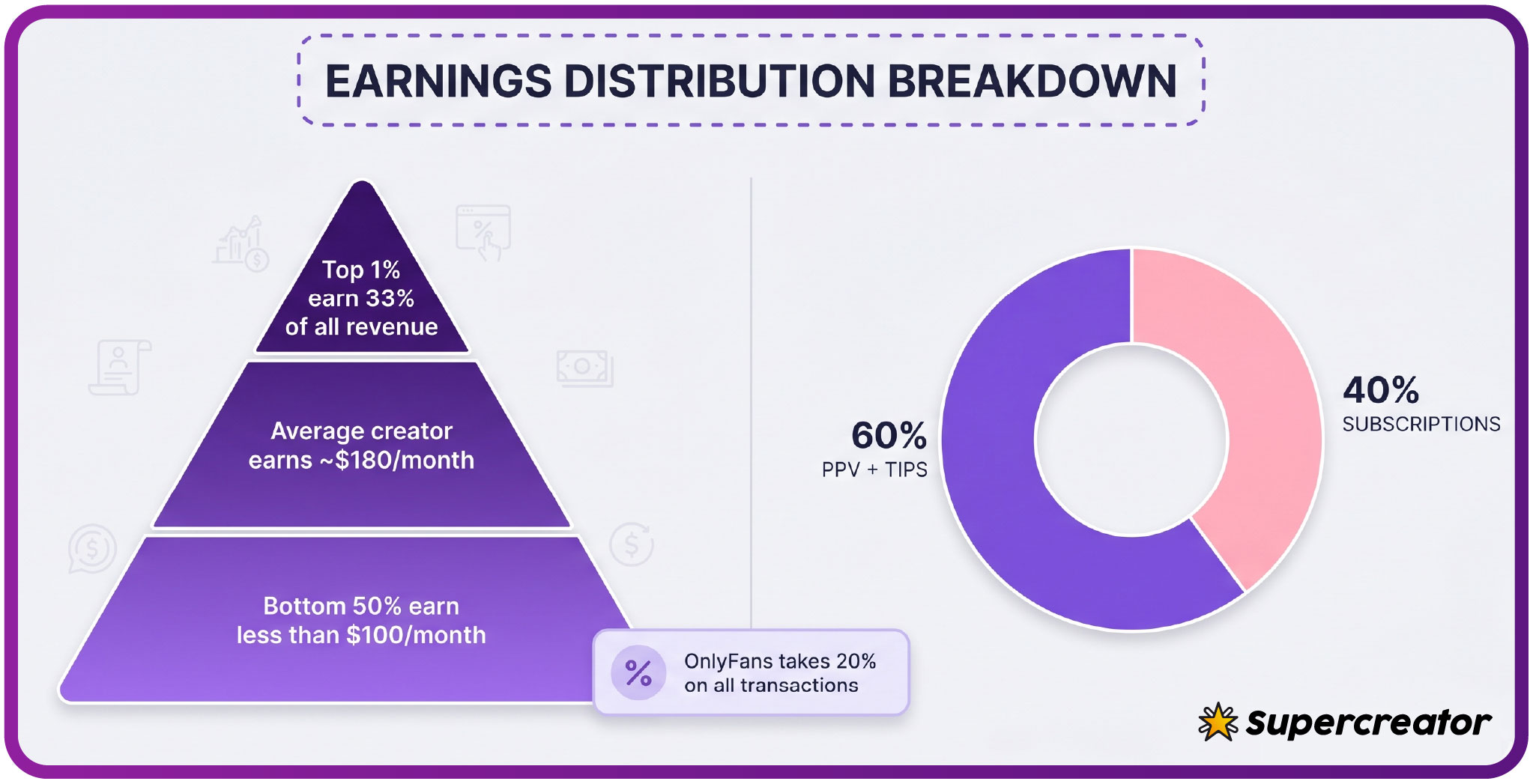
Subscriber estimates exceeding platform-wide distribution curves also signal problems. OnlyFans revenue concentrates heavily at the top, making massive follower claims statistically improbable for most creators.
Concrete tip: Always verify the update date before trusting any pricing information on ranking cards. Data older than seven days requires direct platform confirmation.
Cross-Referencing Rankings With Actual Page Checks
Verification before subscribing prevents disappointment from ranking-site errors. A systematic workflow catches mismatches before payment.
Four Verification Steps
- Checking live price directly on the creator’s page rather than relying on ranking card displays.
- Reviewing recent post timestamps to confirm whether claimed activity levels match reality.
- Confirming free versus paid page structure, which matters enormously for accurate value calculations.
- Searching for the creator’s own social announcements about pricing or schedule changes.
Direct price checking requires navigating to the creator’s actual page, not relying on ranking card displays. Recent post timestamps reveal whether claimed activity levels match reality—stale pages with old content dates indicate ranking data lag.
Free versus paid structure matters enormously for value calculations. Free pages earn through PPV messages up to $50 and paid chat at $3-$5 per message, while paid pages offer different economic models. Many ranking sites search for top only fans female categories without clearly distinguishing these structural differences.
Understanding Platform Economics Behind Rankings
The financial mechanics of OnlyFans directly shape what ranking cards can and cannot display accurately. Every transaction carries consistent rules that subscribers should understand before interpreting any evaluation.
Revenue Split and Fees
The platform takes 20% of all revenue, leaving creators with 80%. This applies universally to subscriptions, tips, pay-per-view messages, and paid chat. A $10 subscription generates $8 for the creator. A $5 paid chat message yields $4. Tips can reach $100, meaning creators receive $80 while the platform retains $20.
New subscribers encounter a $0.10 card verification hold, refunded within days. This temporary charge confirms payment method validity without affecting long-term costs.
Variable Pricing Layers
PPV messages unlock content up to $50 per message, creating substantial revenue potential for creators with engaged audiences. Paid chat typically runs $3-$5 per message, with some creators setting custom rates. These variable pricing layers complicate ranking card displays, which usually capture only base subscription rates.
Free pages priced at $0 earn exclusively through tips, PPV unlocks, and paid interactions. This model shifts economic risk to the subscriber, who faces unpredictable costs without subscription caps. Ranking cards often underrepresent this variability by displaying “$0” without explaining the potential expense structure.
The Limits of Quantified Creator Evaluation
Ranking cards optimize for measurable factors that may not correlate with subscriber satisfaction. Understanding these gaps helps set realistic expectations.
| Measurable Factor | Actual Subscriber Concern | Gap |
|---|---|---|
| Post frequency | Content relevance | High volume does not equal useful material |
| Subscriber count | Creator responsiveness | Popular creators may reply slowly |
| Total tips | Value per dollar spent | Expensive pages may offer poor return |
Quantified metrics miss qualitative elements that determine satisfaction. Communication style, content consistency, and responsiveness emerge only through direct subscription experience.
The platform’s 20% fee structure and 80% creator share remains constant, but value delivery varies enormously. Ranking sites cannot measure whether creators maintain promised schedules or respond to messages promptly.
Building a Personal Ranking System Over Time
Experienced subscribers develop private evaluation frameworks that improve with each subscription. These personal systems supplement public rankings with direct knowledge.
Track actual versus promised post frequency in simple notes. Record response times to direct messages. Compare tip value against received content quality. This accumulated data outperforms any third-party estimation.
the ranking site and similar sites provide starting points for discovery. Final judgment always requires personal verification through controlled small subscriptions before larger commitments.
Worked Verification Examples
Consider the practical example: a ranking card shows $9.99 monthly with 500 posts and “high engagement.” Verification steps reveal the price is actually $14.99 after a recent increase, posts include 300 expired PPV listings no longer purchasable, and the engagement metric derives from tip volume rather than message responsiveness. The corrected evaluation: moderate post volume with unclear interactive value at higher-than-listed cost.
Another worked scenario: free page ranked with “$0” and 1,000 posts. Direct inspection shows active PPV messages at $15-25 each, paid chat at $4 per message, and recent posts dating three weeks back. True cost projection: $50-100 monthly for moderate interaction, not the “free” label implied.

FAQ
How often do ranking sites update their OnlyFans price data?
Update frequencies vary by platform, ranging from real-time API connections to weekly manual refreshes. Most mid-tier ranking sites scrape data every 24-72 hours, though caching layers may delay visible changes. Check the listed update timestamp before trusting any price display.
Can subscriber estimates on ranking cards be independently verified?
No independent verification method exists for subscriber counts. OnlyFans does not publish this data publicly, and creators rarely disclose exact figures. Estimates derive from engagement pattern analysis or voluntary surveys with unverified sample sizes. Treat these numbers as directional guesses rather than facts.
Why does this directory show different prices than I see when logged in?
Regional currency conversion, promotional targeting, and account-specific offers create price variations. Logged-in users may see personalized rates based on location, device type, or browsing history. Rankings typically display base rates without these modifications, explaining apparent discrepancies.
Should I trust a ranking card that lacks an update date?
Cards without update dates carry elevated risk of stale information. Absence of this timestamp suggests irregular data collection or outdated methodology. Prioritize rankings with recent, specific update timestamps—preferably within 48 hours for volatile metrics like pricing.