


A Practical Checklist for Mixing Wood Tones in One Room
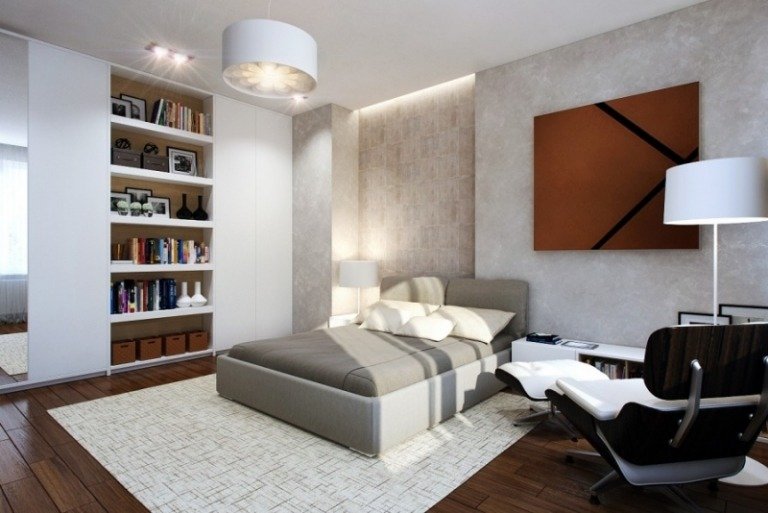
Walking into a room where every wooden surface matches perfectly feels a bit like a furniture showroom. It is safe, but it is also flat. Modern design relies on depth and texture, and that usually means combining oak floors with walnut tables, or birch shelves against a dark mahogany accent wall. The trick is doing it intentionally so the room feels collected rather than chaotic. Mixing wood tones is not about throwing random pieces together and hoping they get along. Without a plan, you end up with a space that looks like you inherited furniture from three different relatives who never spoke to each other. Use this checklist to layer different woods so they complement rather than compete. Start With Your Dominant Tone Every room needs a boss. Look at the element you are least likely to change soon—usually the flooring or large built-in cabinetry. That wood is your dominant tone and will cover roughly sixty to seventy percent of the wood surface area in the room. Everything else you bring in needs to dialogue with this base, not mimic it. If you have warm honey-colored oak floors, your secondary woods should either share that warmth or provide a deliberate,[...]

