
1xBet Betting App: Why Installs Fail and How They Do Not
Someone opens their phone’s browser, searches for the 1xBet Android application, and downloads the APK. They tap to install, see a security prompt about unknown sources, toggle the permission, and the app appears on their home screen. Minutes later, they are browsing live football odds. Others follow the same steps and hit a wall: the installation stalls, or the app refuses to open. These two outcomes—success and failure—often trace back to the same handful of technical details.
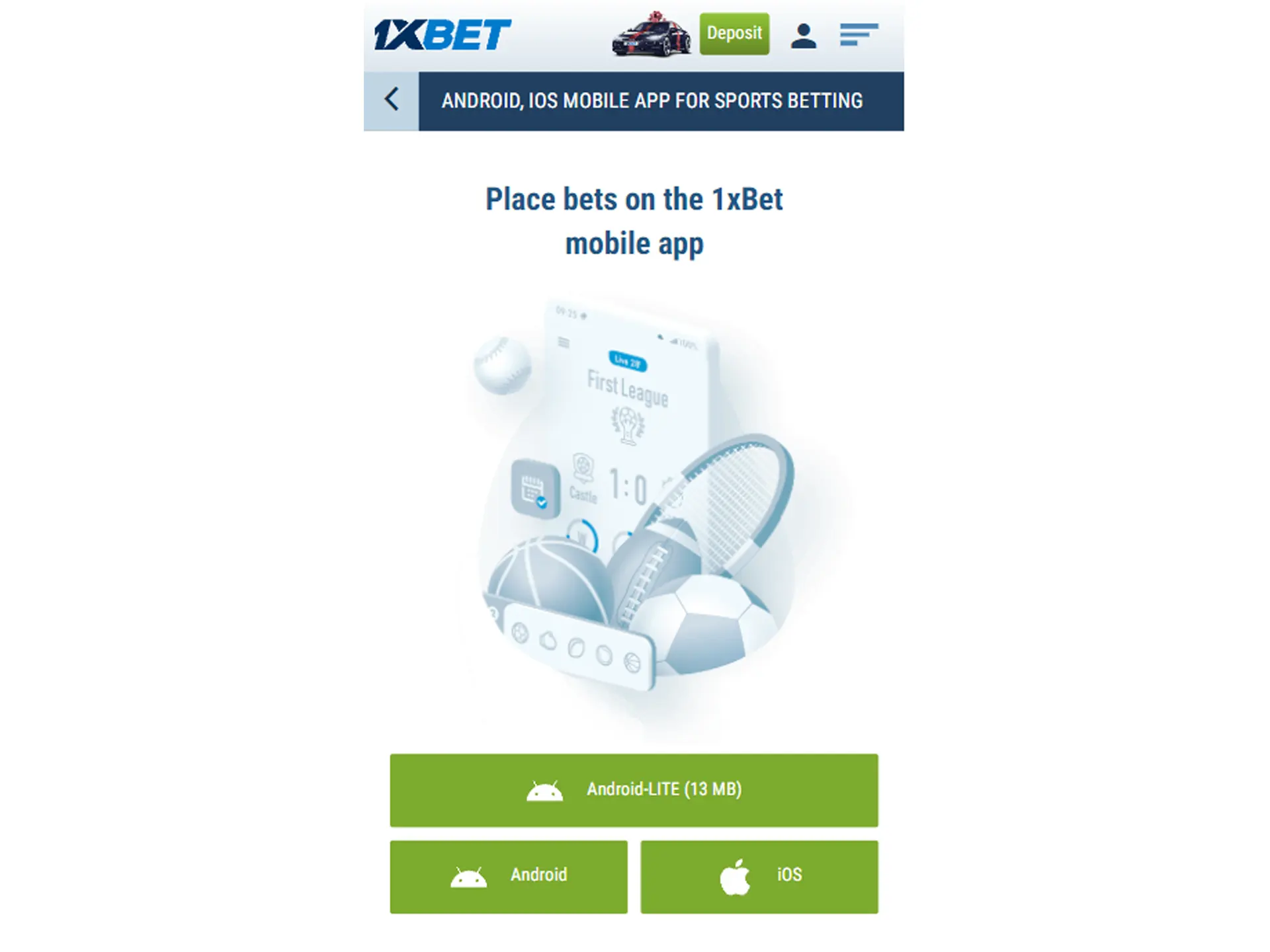
What the Application Delivers Daily
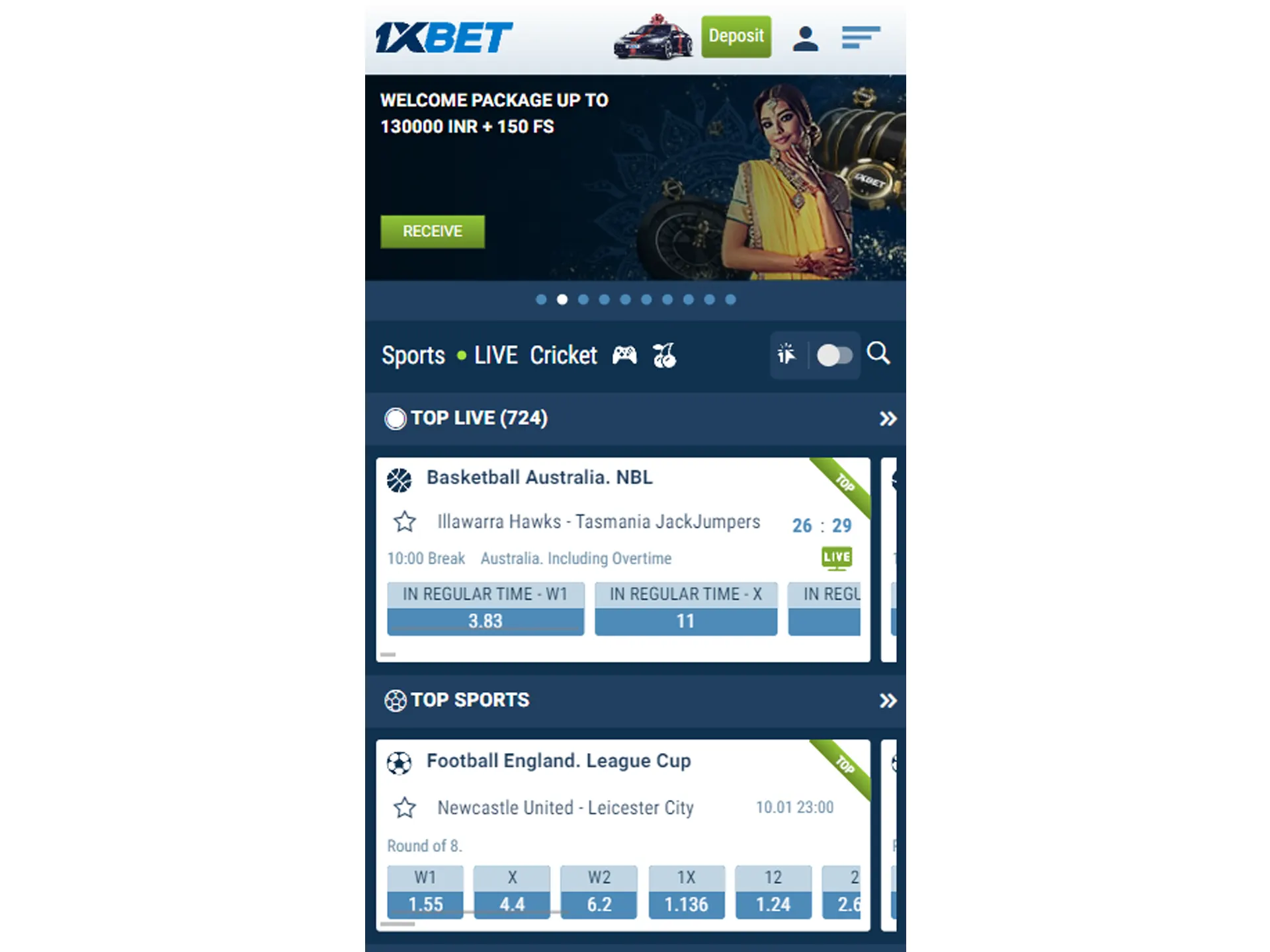
The 1xBet mobile app compresses a full betting platform into a single interface. Sports coverage spans pre-match and live markets, with real-time odds adjustments as matches unfold. The casino section carries slots, table games, and live dealer tables. Account management happens entirely within the app: deposits through cards, e-wallets, and cryptocurrencies; withdrawals following the same verification paths as the desktop site. Notifications alert users to settled bets, odds shifts, and promotional windows. The interface adapts to portrait and landscape orientations, though specific layouts depend on your Android version and screen size.
Since Google Play does not host gambling applications in most jurisdictions, the 1xbet file installations must originate from the operator’s distribution channels. This reality shapes every subsequent step in the setup process.
- Pre-match sports betting with accumulator builders
- Live betting with cash-out functionality
- Casino games including live dealer streams
- Payment processing and transaction history
- Account verification and document uploads
Responsible gambling controls—deposit limits, cooling-off periods, and self-exclusion—reside in the account settings. These tools function identically across app and browser versions.

Obtaining and Installing the Package
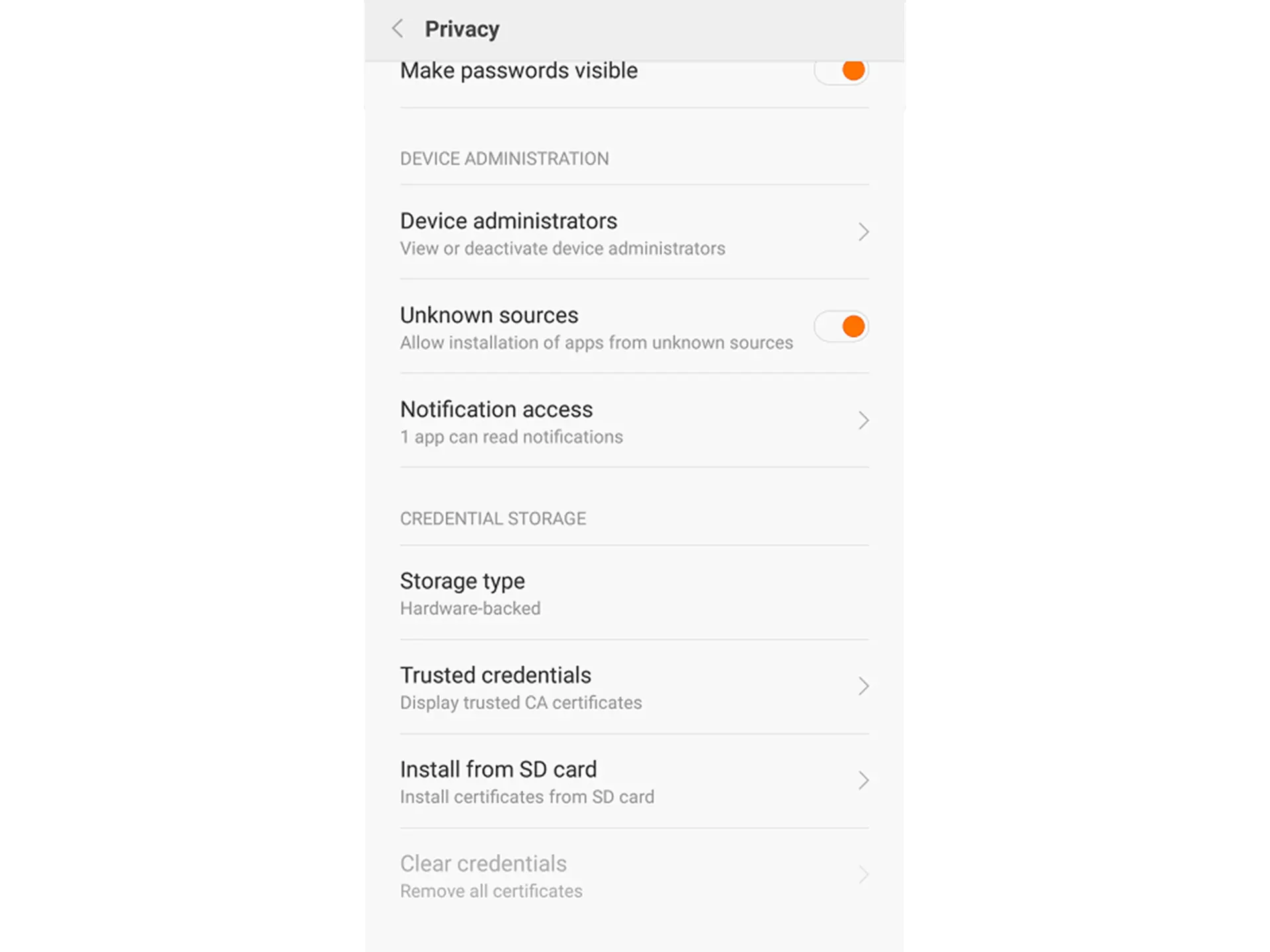
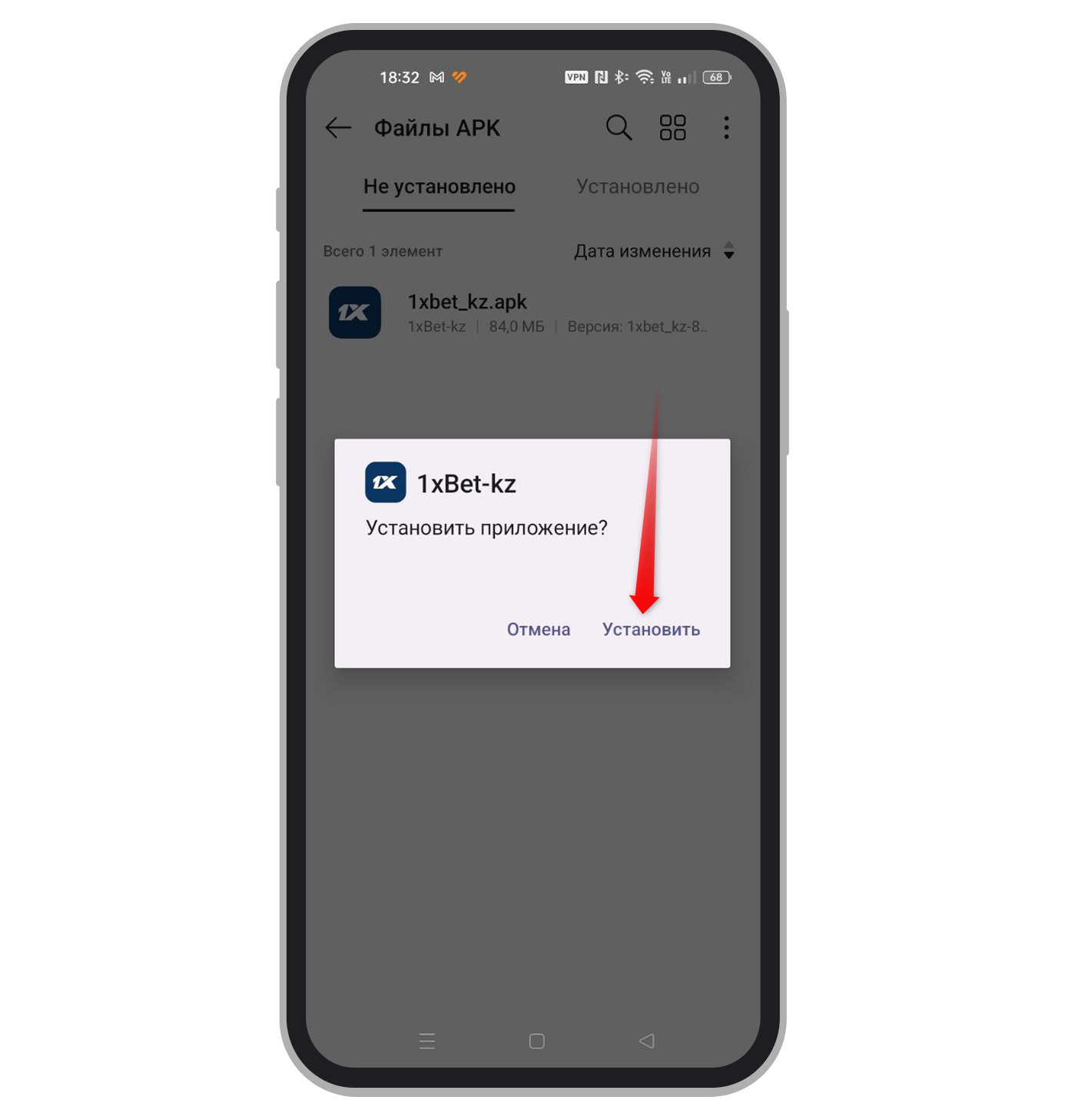
The APK file arrives through direct download, typically initiated from the operator’s mobile portal. Android treats each source—Chrome, Samsung Internet, Firefox, or your file manager—as a separate permission category. When you first attempt installation, the system blocks the action and surfaces a settings shortcut. Activating “install unknown apps” for that specific source allows the process to continue. This permission can be revoked immediately after installation; it does not need to remain active for the app to function.
Common failure points include:
- Downloading corrupted files from unofficial mirrors
- Attempting installation without granting the source-specific permission
- Running Android versions that block older APK signatures
- Insufficient storage space for the unpacked application
- Conflicting remnants from previous failed installations
Corrupted downloads manifest as parse errors or immediate crashes. The fix: delete the file, clear browser cache, and re-download. Permission failures display as blocked installation dialogs; the fix: return to settings and enable the toggle for your specific browser or file manager. Storage issues require freeing space before retrying.
Signature mismatches present differently. If you previously installed an older version signed with a different certificate, Android rejects the update. The resolution requires uninstalling the existing application—note that this removes locally stored data including cached credentials—and installing fresh. Always verify the download origin through HTTPS certificate details and file metadata where visible.
| Symptom | Likely Cause | Resolution |
|---|---|---|
| “App not installed” or parse error | Corrupted download or incompatible Android version | Re-download from verified source; check compatibility |
| Installation blocked at system level | Unknown sources permission not granted for download source | Enable permission specifically for browser or file manager used |
| Update fails over existing app | Certificate signature mismatch between versions | Uninstall existing app, reinstall fresh (data will be cleared) |
Keeping Current and Comparing Options
Updates arrive through the same APK distribution mechanism as initial installation. The app may notify you of availability, or you may check manually. Each update must carry a matching signature to install over the existing version; otherwise, the uninstall-reinstall cycle becomes necessary. Some users disable auto-update prompts to maintain stability, though this risks missing security patches or feature additions.
The mobile website operates as a fully viable alternative. It requires no installation, no permission adjustments, and leaves no local app data. Performance depends heavily on browser efficiency and connection quality. The app typically offers smoother animations, offline access to previously loaded content, and push notifications the browser cannot replicate. Conversely, the mobile site sidesteps installation friction entirely and functions identically across Android versions.
| Factor | Native App | Mobile Website |
|---|---|---|
| Installation requirement | APK download, permission grant | None |
| Storage footprint | Occupies device storage | Browser cache only |
| Notifications | Push alerts enabled | Browser-based only |
| Offline access | Limited cached content | None without connection |
| Update mechanism | Manual APK replacement | Automatic with page refresh |
Regional availability and interface details vary by jurisdiction and regulatory environment. national gambling regulator frameworks influence which features appear and which payment methods process. The app and mobile site generally reflect these variations simultaneously.
FAQ
Why does my phone keep saying the app is from an unknown source even after I have used 1xBet before?
Android tracks permission grants per source application, not per destination app. If you previously enabled installs from Chrome but are now downloading through Firefox or your file manager, that new source needs its own permission toggle activated. Each browser and file manager maintains separate authorization status.
Can I update the 1xBet app without losing my login credentials?
Updates with matching signatures install over the existing version and preserve data. If the update carries a different certificate—common when switching between download mirrors—the system rejects it. Uninstalling to force installation clears locally stored credentials, requiring fresh login. Store credentials securely outside the app to avoid lockout.
What actually causes the “App not installed” message specifically for 1xBet?
Three mechanisms trigger this: corrupted download packets (incomplete transfer), certificate conflicts with existing installations, and Android version incompatibility where the APK targets newer APIs than your device supports. Verifying file integrity, checking for existing installs, and confirming minimum system requirements eliminates most occurrences.
Why would someone choose the mobile site if the app offers more features?
Installation barriers—corporate device policies, limited storage, or personal preference against unknown-source permissions—make the browser version preferable. The mobile site also eliminates update maintenance and certificate-signature complications entirely. Feature gaps narrow with each browser generation.
How do I know my APK download has not been tampered with before installation?
Verify the HTTPS connection certificate on the download page, check that file metadata matches expectations for size and timestamp, and compare hashes if published. Install only from distribution points linked directly from the operator’s verified domains. Avoid third-party APK aggregators regardless of apparent convenience.